Almost every move-in checklist on the internet gives you nouns. “Cookware. Towels. A shower curtain. A plunger.” Which is accurate, and nearly useless — because the hard part is not knowing you need towels. It is standing in a shop deciding which towels, forty times in a week, while trying to work out whether you can afford all of it.
These checklists are built differently. Every line names a pick, shows what it costs today, and links straight to it, with a running total per room. You can work down the list, or ignore our picks entirely and use the totals to plan a budget. Both are more useful than a list of nouns.
Which list do you need?
Start with the one that matches your move
Your situation
Start here
Why it is different
First apartment, renting
First apartment essentials
Every room, renter-safe throughout, nothing that needs drilling.
First house, bought
First home essentials
Adds a whole category: maintenance, tools and safety are now yours.
College dorm
Dorm room essentials
80 square feet, shared, Twin XL beds, and a housing contract with rules.
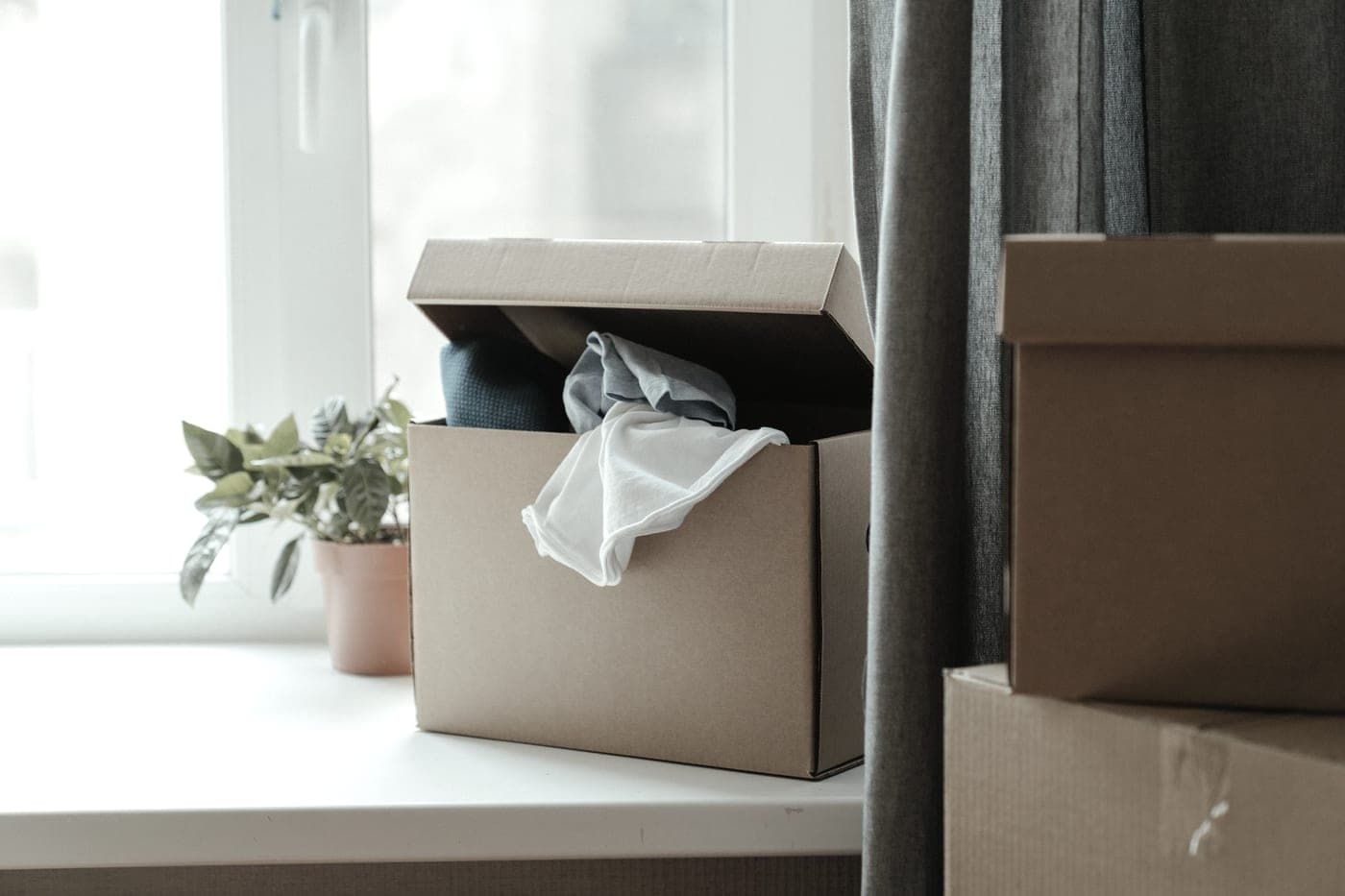
Moving next week and panicking
Moving day essentials
One box, packed last and opened first. Plus what to carry rather than load.
Money is tight
Apartment essentials on a budget
The same list at the cheapest version that still works — about $455.
Working out whether you can afford it
What it costs to furnish a first apartment
Three budget tiers, room by room, plus the non-furniture move-in costs.
Already moved in
Your first week in a new apartment
What to do, not what to buy — mostly documentation that protects your deposit.
Buying for someone else
The gift guides
What a new renter or student will actually use, and what to avoid.
Buy it in three waves, not one
This is the single most useful piece of advice on this page, and it saves money as well as stress. Split the list by when you need it:
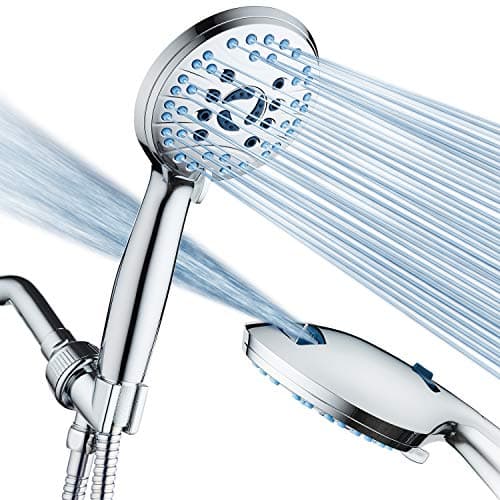
Night one — about fifteen items, roughly $180. Bedding, towels, a shower curtain and liner, a plunger, trash cans, toilet paper and soap, basic plates and cutlery, and a lamp with bulbs. Enough to sleep, wash and eat.
Week one — about $320. Cookware, a knife, a cutting board, a dish rack, cleaning supplies, curtains. Now you can cook.
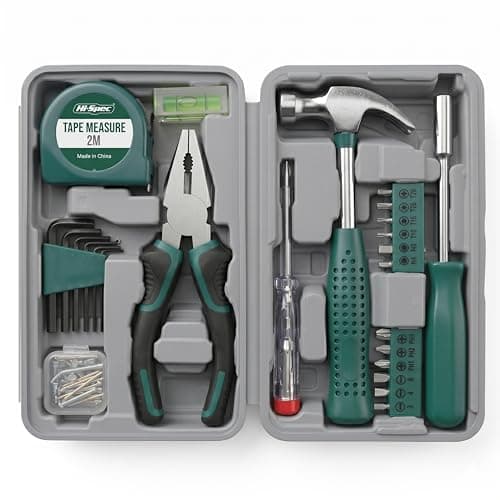
Month one — about $350. Microwave, food storage, bathroom storage, a tool kit, safety items, a drying rack.
Months two to six. The sofa, the rug, a coffee maker, any second appliance, decoration. By then you know your space and your habits.
Spreading it out means you buy what you actually need rather than what you anticipated needing in a shop in week one, and that difference is usually worth a few hundred dollars.
Measure before you buy anything
The most expensive mistakes on a move are measuring failures, not purchasing ones. Three things:
Room dimensions, and where the outlets and radiators are — they decide where furniture can actually go.
Free counter width in the kitchen, and the height to the underside of the upper cabinets. This is what decides which microwave, air fryer and coffee maker fit.
The route, not just the room. Doorway widths, the narrowest point of the hallway, the stairwell turn, and the lift’s internal dimensions. Furniture that fits the room and will not rotate around a landing is the classic and most expensive failure.
A 25-foot tape measure with a magnetic hook lets you do all of that alone, which is how it actually gets done — see our tape measure picks.
What to buy used, and the one caution
Buying used instead of new is the largest single financial decision in furnishing a first place — roughly $2,000 on a one-bedroom. These items are functionally identical secondhand:
Plates, bowls, mugs, glasses and cutlery (often $15 for a set of four against $60 new); cast iron, where rust is cosmetic and comes off with steel wool and oil; sheet pans, mixing bowls, stockpots and colanders, where stains are cosmetic; bed frames, dining tables and chairs, desks, bookshelves and lamps.
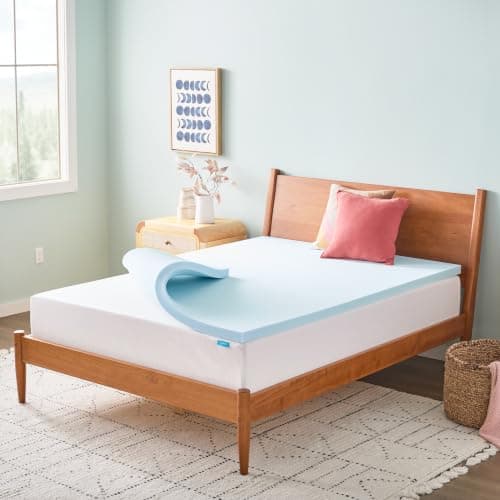
Buy new regardless: a mattress, knives, anything nonstick, cutting boards, pillows and towels. Condition directly affects hygiene or performance in every case.
The one caution: inspect the seams and underside of any used sofa or mattress carefully before bringing it into your home. Bed bugs are a real, expensive and difficult problem, and a free sofa that brings them is not free.
The things everyone forgets
None of these is expensive. All of them are annoying to be without on the first evening, and they appear on every one of our lists for that reason.
Shower curtain rings — sold separately from the curtain
Light bulbs, and a lamp if there is no overhead light in the living room
A can opener
Bin bags in the right size for the bin you bought
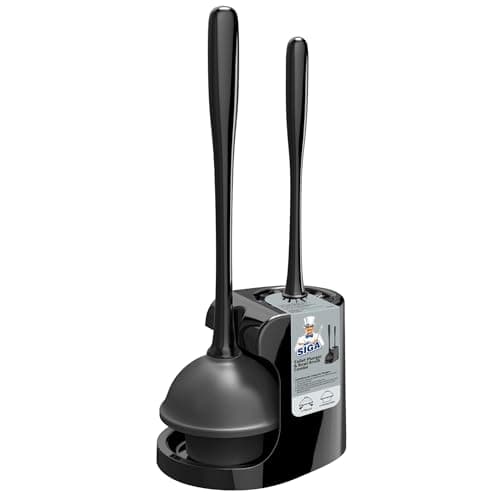
A plunger — the one item that becomes urgent at 11pm
Curtains or blinds, and something to hang them from
Batteries: AA, AAA and 9V for the smoke alarm
An extension cord and a surge-protected power strip
A second phone charger, for the bedroom
A doorstop
How these lists are put together
Every price on these pages comes from a live Amazon lookup and carries the date it was checked. We do not publish a number we cannot verify: if a price has not been refreshed within 48 hours it disappears and the page says “check price” instead of showing you something stale.
We also do not claim to have tested these products in a lab, because we do not have one. Our picks come from published specifications, the physical design, and the patterns in what owners consistently report after a year — and we say which is which on every page. That is set out in full in how we pick.
Everything in checklists
10 guides. The roundups show our top pick and what it costs right now, so you can buy from here without reading further — or open the page for the alternatives and the reasoning.
A day-by-day first week: deposit documentation, safety checks, and what to unpack in which order.
Buying for a whole place?
If you are setting up an entire apartment, dorm or house rather than shopping for one room, start with the complete checklist — every line has a pick, a live price and a running total.
For night one: bedding, towels, a shower curtain and liner, a plunger, trash cans, toilet paper and soap, basic plates and cutlery, and a lamp with bulbs — about $180. Then the kitchen in week one and storage, tools and safety items in month one.
How much does it cost to set up a first apartment?+−
Non-furniture essentials run about $455 at the budget tier and $850 to $1,100 mid. With furniture, roughly $900 buying used and $4,300 buying everything new. Move-in costs before any of that — deposit, fees, utilities, a van — typically run two to three times the monthly rent.
In what order should I buy things for a new place?+−
Three waves. Night one: sleeping, washing and eating. Week one: cooking. Month one: storage, tools and safety. Then everything else over the following months, once you know the space. Spreading it out means you buy less overall.
What should I measure before moving in?+−
Room dimensions and outlet positions; free kitchen counter width and the height to the upper cabinets; and the route — doorways, the narrowest hallway point, the stairwell turn and the lift. Furniture that fits the room and will not turn on the stairs is the classic failure.
What can I buy used when setting up a home?+−
Plates, cutlery, glassware, cast iron, sheet pans, mixing bowls, bed frames, dining furniture, desks, shelving and lamps. Buy a mattress, knives, nonstick cookware, cutting boards and towels new. Inspect used upholstery and mattresses for pests before bringing them in.
Are the prices on these checklists current?+−
Yes — every price comes from a live Amazon lookup and is shown with the date it was checked. If a price has not been refreshed within 48 hours it disappears rather than going stale, and the page shows “check price” instead.