The best mini fridges for a dorm
Check your housing contract before you read any further: many campuses cap mini fridges by cubic feet, and a few require a university-supplied unit instead.
Quick picks
Our ranking at a glance. Tap any row for the full write-up, or the price to go straight to Amazon. Scores are ours, from published specs and what owners report after a year — we have not lab-tested these, and we say so plainly.
| # | Product | Best for | Score | Price |
|---|---|---|---|---|
| 1 | 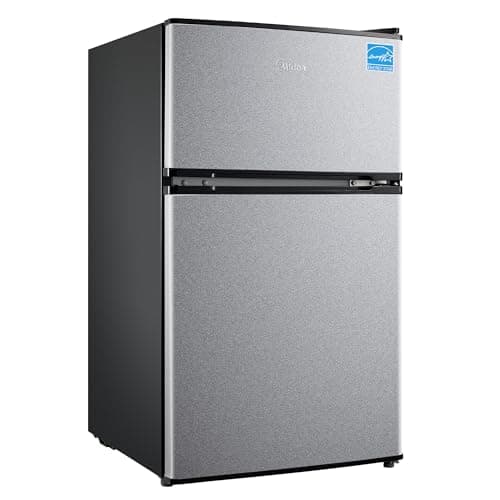 Midea 3.1 cu ft Mini Fridge with Freezer, Energy Star A real freezer and a real brand | A real freezer and a real brand | 8.58.5 out of 10 on our Fits a dorm, Value, Durability, Moves out easily scoring | |
| 2 | 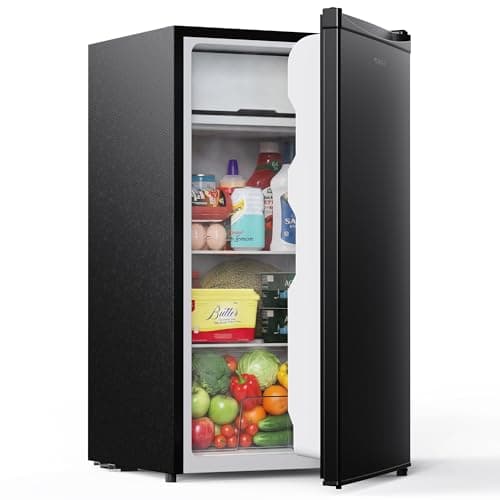 Upstreman 3.2 cu ft Mini Fridge with Freezer Most space per dollar | Most space per dollar | 8.28.2 out of 10 on our Fits a dorm, Value, Durability, Moves out easily scoring | $149.99View on Amazon $169.99 · 12% off |
| 3 | 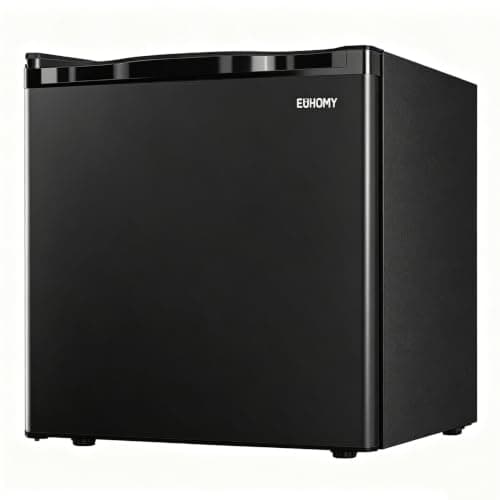 EUHOMY 1.7 cu ft Compact Mini Fridge A strict size limit | A strict size limit | 8.88.8 out of 10 on our Fits a dorm, Value, Durability, Moves out easily scoring | $119.99View on Amazon $129.99 · 8% off |
| 4 | 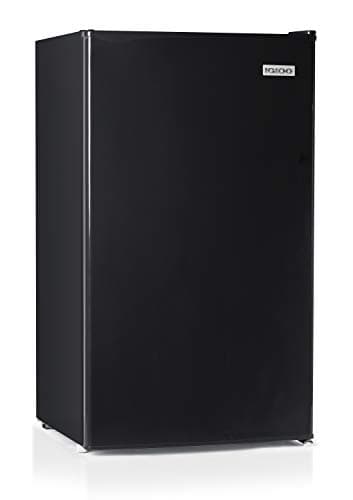 Igloo 3.2 cu ft Mini Fridge with Freezer A familiar name at the same price | A familiar name at the same price | 8.08.0 out of 10 on our Fits a dorm, Value, Durability, Moves out easily scoring | $149.99View on Amazon $179.99 · 17% off |
#ad — Amazon links on this page are affiliate links. How this site is funded.
Before anything else: read your housing contract. Mini fridge rules vary more than any other dorm item. Common restrictions are a capacity cap (often 3.0, 3.2 or 4.0 cubic feet), a requirement for an Energy Star unit, a limit of one per room rather than one per student, or a requirement to rent a university-supplied MicroFridge. A fridge that violates the rules gets removed, and you have then spent $150 on a return shipment.
A chiller shelf is not a freezer
This is the specification that catches people out. Compact fridges come in two kinds and listings blur them:
- A chiller compartment is a small shelf inside the main cabinet, typically held around 20 to 25°F. It will keep something frozen-ish for a while. Ice cream becomes soup. Most 1.6 to 1.7 cubic foot fridges have this.
- A true freezer compartment has its own door and reaches 0 to 10°F. It holds frozen food properly. This generally means a 3.0+ cubic foot unit.
If you intend to keep frozen meals, you need a true freezer, which means a 3.0+ unit, which means checking the size cap. If you mainly want cold drinks, milk and leftovers, a 1.7 is smaller, cheaper and easier to fit under a desk.
Sizing against the room and the rules
| Capacity | Freezer | Fits under a desk? | Running cost/year | Right for |
|---|---|---|---|---|
| 1.6–1.7 cu ft | Chiller shelf only | Usually yes | ~$25–$35 | A strict size cap, or drinks and leftovers only. |
| 2.5–2.7 cu ft | Small true freezer | Rarely | ~$35–$45 | A middle option if the cap allows it. |
| 3.1–3.2 cu ft | True freezer, separate door | No — it stands alone | ~$40–$60 (less if Energy Star) | Real food storage. Check the cap first. |
| 4.4+ cu ft | True freezer | No | ~$60–$80 | Apartment-style housing, not a standard dorm. |
Running cost is worth a thought if you pay for power or your dorm charges for it. An Energy Star 3.1 can use meaningfully less electricity than a non-certified 3.2 of the same size, which over a year is a real difference — that is why the Midea tops this page despite being the priciest.
Sharing one with a roommate
Usually the right move: one 3.2 cubic foot fridge split two ways costs less each than two 1.7s and gives you both a real freezer. Agree three things in the first week and it works fine:
- Who bought it, and what happens to it in May. Selling it to next year’s students is normal.
- Which shelf is whose.
- That defrosting and cleaning it is a shared job, roughly monthly.
Placement, which affects whether it works
- Leave 2 to 3 inches of clearance at the back and sides. The condenser coils release heat; boxed into a cupboard the fridge runs constantly, uses more power and fails sooner.
- Not next to a radiator or in direct sun. Same reason.
- Level it. A fridge on an uneven floor with the door slightly low will not seal properly, and the door seal is the usual failure point.
- Plug it into the wall, not a power strip. Compressors draw a startup surge that strip outlets are not ideal for, and many dorms specify this.
- Stand it upright for a few hours before switching on if it has been transported on its side, so the compressor oil settles.
The short version
- Check the housing contract first. Capacity caps and Energy Star requirements are common.
- A chiller shelf is not a freezer. Frozen food needs a 3.0+ cu ft unit with its own freezer door.
- Share one 3.2 with a roommate rather than buying two 1.7s. Cheaper each, real freezer.
- Leave 2–3 inches of clearance at the back, or it runs constantly and fails early.
Every pick in detail
#ad we may earn a commission · price as of October 6, 2026
#1 · A real freezer and a real brand
Midea 3.1 cu ft Mini Fridge with Freezer, Energy Star
Energy Star certified from a major appliance manufacturer, with a separate freezer compartment that actually holds frozen food rather than slowly thawing it.
- Fits a dorm
- 8.4
- Value
- 7.8
- Durability
- 9.2
- Moves out easily
- 7.6
What we like
- Separate freezer door keeps the freezer genuinely frozen
- Energy Star matters if your dorm or lease bills power
- Midea makes compressors for other brands — the mechanicals are sound
What to know
- Most expensive here
- Check your dorm's cubic-foot limit before ordering — many cap at 3.0 or 4.0
- Mechanical dial, not a digital setpoint
Specifications
- 3.1 cu ft total with a separate freezer compartment
- Energy Star certified
- Reversible door
- Adjustable mechanical thermostat
Who it is for
A student with a 3.1+ cu ft allowance who will keep frozen food. Check the housing contract first.
#2 · Most space per dollar
Upstreman 3.2 cu ft Mini Fridge with Freezer
3.2 cubic feet with a freezer for around $150 — the best capacity-per-dollar in the category, if you can live without the Energy Star rating.
- Fits a dorm
- 8.0
- Value
- 9.2
- Durability
- 7.8
- Moves out easily
- 7.4
What we like
- Largest capacity here for the money
- Glass shelves adjust and wipe clean
- Reversible door suits either wall
What to know
- Not Energy Star — it costs more to run
- Compressor is audible at night
- Brand support is thinner than Midea's
Specifications
- 3.2 cu ft with freezer compartment
- Reversible door
- Adjustable glass shelves
- Mechanical thermostat
Who it is for
A shared room splitting the cost, where capacity beats efficiency.
#3 · A strict size limit
EUHOMY 1.7 cu ft Compact Mini Fridge
1.7 cubic feet fits under almost any dorm desk and inside every housing size cap. It has a chiller shelf rather than a freezer — know that before you buy.
- Fits a dorm
- 9.8
- Value
- 9.0
- Durability
- 7.6
- Moves out easily
- 9.4
What we like
- Fits where the 3 cu ft models do not
- Cheapest to buy and to run
- Light enough for one person to carry
What to know
- The chiller is not a freezer — ice cream will not survive
- No room for a week's groceries
- Single wire shelf
Specifications
- 1.7 cu ft
- Chiller compartment, not a true freezer
- Fits under most dorm desks
- Reversible door
Who it is for
A dorm with a hard size cap, or a room where it has to go under the desk.
#4 · A familiar name at the same price
Igloo 3.2 cu ft Mini Fridge with Freezer
Equivalent capacity to the Upstreman from a brand most people recognize, with glass shelves and a can dispenser in the door.
- Fits a dorm
- 8.0
- Value
- 8.6
- Durability
- 7.6
- Moves out easily
- 7.4
What we like
- Recognized brand with easier warranty service
- Door can-rack frees up shelf space
- Glass shelves clean easily
What to know
- Freezer compartment frosts up and needs manual defrosting
- Not Energy Star
- Door seal is the known weak point
Specifications
- 3.2 cu ft with freezer compartment
- Glass shelving
- Door can-rack
- Reversible door
Who it is for
Someone who wants a name they know at the value price.
Common questions
What size mini fridge is allowed in a dorm?
It varies by school — common caps are 3.0, 3.2 or 4.0 cubic feet, and some campuses require Energy Star certification or a university-supplied MicroFridge. Check your specific housing contract before ordering; a non-compliant fridge gets removed.
Do dorm mini fridges have real freezers?
Only the larger ones. Units of 1.6 to 1.7 cubic feet typically have a chiller shelfinside the main cabinet at around 20 to 25°F, which will not keep ice cream frozen. A true freezer with its own door generally means a 3.0+ cubic foot unit.
How much electricity does a dorm fridge use?
Roughly $25 to $60 a year depending on size and efficiency. An Energy Star model of the same capacity uses noticeably less, which matters if your housing bills power or you are in an apartment paying for it.
Should roommates share a mini fridge?
Usually yes. One 3.2 cubic foot fridge split two ways costs less each than two 1.7s and gives you both a genuine freezer. Agree who owns it, which shelf is whose, and that cleaning is shared.
Can you put a mini fridge on a power strip?
Better not to, and many dorms prohibit it. Compressors draw a startup surge that strip outlets handle poorly. Plug the fridge directly into a wall outlet and use the strip for low-draw electronics.