Home safety essentials for a first home
About $120 of equipment, most of it bought once. More importantly: where each item goes, because an extinguisher behind the stove is no use at all.
Quick picks
Our ranking at a glance. Tap any row for the full write-up, or the price to go straight to Amazon. Scores are ours, from published specs and what owners report after a year — we have not lab-tested these, and we say so plainly.
| # | Product | Best for | Score | Price |
|---|---|---|---|---|
| 1 | 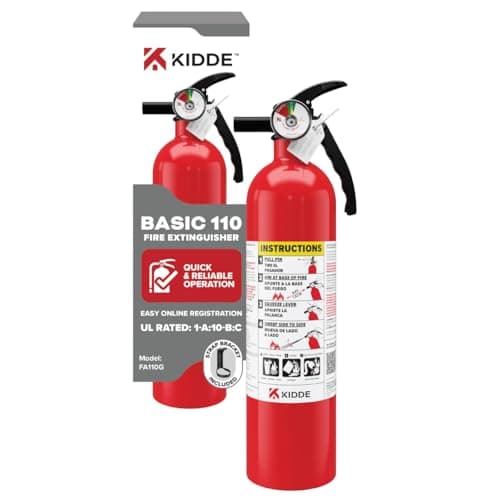 Kidde Basic 110 Fire Extinguisher, 1-A:10-B:C The one every home needs | The one every home needs | 9.29.2 out of 10 on our Beginner-friendly, Value, Durability, Stores small scoring | $19.97View on Amazon $24.97 · 20% off |
| 2 | 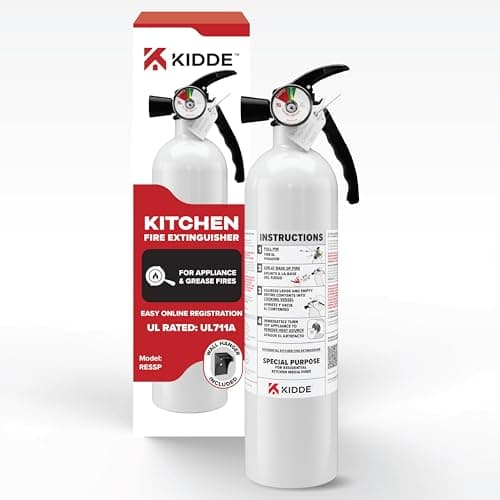 Kidde Kitchen Fire Extinguisher, 711A A grease fire on the stove | A grease fire on the stove | 9.19.1 out of 10 on our Beginner-friendly, Value, Durability, Stores small scoring | |
| 3 | 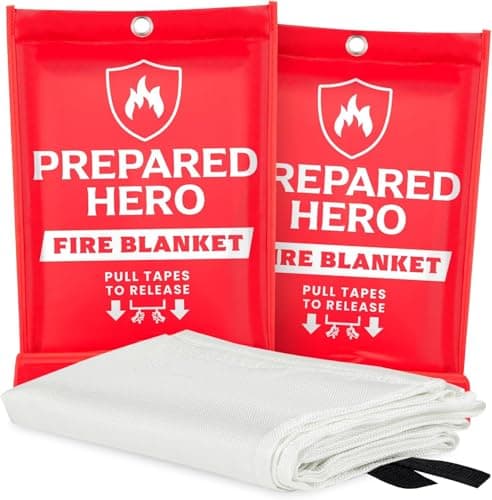 Prepared Hero Emergency Fire Blanket, 2-Pack A pan fire with no mess | A pan fire with no mess | 9.09.0 out of 10 on our Beginner-friendly, Value, Durability, Stores small scoring | |
| 4 | 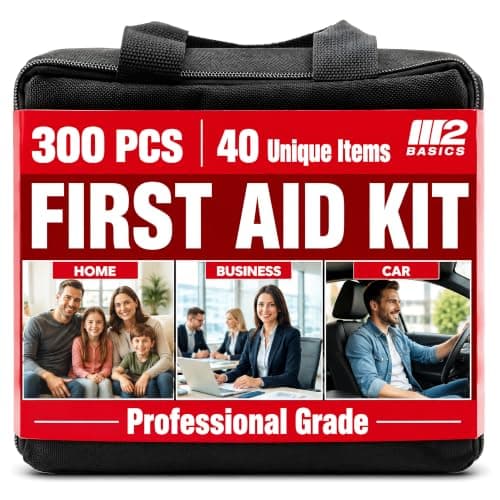 M2 BASICS 300-Piece First Aid Kit A home first aid kit | A home first aid kit | 9.09.0 out of 10 on our Beginner-friendly, Value, Durability, Stores small scoring |
#ad — Amazon links on this page are affiliate links. How this site is funded.
This is the least interesting shopping list in the house and the one most worth getting right. Most of it is bought once and ignored for years, which makes placement and the annual check matter more than the products.
The list, with where each thing goes
| What you need | Our pick | Price | Buy |
|---|---|---|---|
| ABC fire extinguisherMount on the EXIT side of the kitchen, not behind the stove. 1-A:10-B:C rating | Kidde Basic 110 Fire Extinguisher, 1-A:10-B:CSee all our picks | $19.97 | Buy on Amazon |
| Kitchen fire extinguisherRated for cooking-oil fires, which a standard ABC unit is not. Inside a cupboard door | Kidde Kitchen Fire Extinguisher, 711A | $26.44 | Buy on Amazon |
| Fire blanketHang it within reach of the stove. No powder to clean up afterwards | Prepared Hero Emergency Fire Blanket, 2-Pack | $39.98 | Buy on Amazon |
| First aid kitBathroom cupboard, not the car. Check expiry dates yearly | M2 BASICS 300-Piece First Aid Kit | $27.88 | Buy on Amazon |
| Carbon monoxide alarmAbout $25. Required by law in many states. Outside sleeping areas | Whatever you already own works | — | |
| Smoke alarm batteriesAbout $10. Replace on day one whatever you were told, then annually | Whatever you already own works | — | |
| Furniture anchor strapsAbout $15. For any tall furniture, and essential with young children | Whatever you already own works | — | |
| #ad — Amazon links in this table are affiliate links; we may earn a commission at no extra cost to you. How this site is funded. | |||
Fire extinguishers: ratings and placement
The rating on the label tells you what classes of fire the unit handles, and it matters:
- A — ordinary combustibles: wood, paper, fabric.
- B — flammable liquids: petrol, oil, solvents.
- C — electrical equipment.
- K — cooking oils and fats. This is the kitchen one, and a standard ABC unit is not rated for it.
A 1-A:10-B:C unit is the correct general-purpose home extinguisher. A separate kitchen-rated unit is a sensible addition because a pan fire is the most likely fire in a home and the wrong agent can spread it.
Placement is the part people get wrong. Mount it on the route out of the room, not next to the stove. If the extinguisher is behind the fire, you cannot reach it. One near the kitchen exit, one near the bedrooms, one in the garage if you have one.
Check the pressure gauge once a year — the needle should be in the green. Nobody does this; it takes four seconds.
Smoke and carbon monoxide alarms
In a rental, working smoke alarms are the landlord’s legal responsibility in most jurisdictions. Do not rely on that having been done.
- Press the test button on every alarm on day one. It should be loud enough to be unpleasant.
- Replace the batteries immediately, whatever you were told, then annually.
- Check the manufacture date on the back. Smoke alarms expire — replace the unit after 10 years, and a CO alarm after 7 to 10 depending on the model. An expired alarm can fail silently.
- Count them. Guidance is one on every level, one inside each bedroom, and one outside each sleeping area. If there are fewer, report it in writing.
- Get a CO alarm if there is any fuel-burning appliance — gas stove, gas or oil heating, a fireplace, or an attached garage. Many states require them. Carbon monoxide has no smell, and an alarm is about $25.
Furniture anchoring, which matters more than people think
Tall furniture and televisions tipping over cause serious and recurring injuries, overwhelmingly to young children. The CPSC runs a public campaign on this specifically, and the fix is a $15 strap kit.
Anchor: bookcases, chests of drawers, wardrobes, tall shelving, and any television not on a wall mount. Strap into a stud wherever possible — see stud finders. In a rental, a single small anchor screw leaves a hole you fill in three minutes at move-out, and landlords are generally amenable to safety fixings. Ask in writing and you have a record.
Flat-pack furniture usually includes an anchor strap in the bag and most people throw it away. Do not.
Four things to locate on day one
- The water shut-off valve. Usually under the sink or near the water heater. A burst supply line floods a floor in minutes.
- The breaker panel, and ideally which breaker is which. Plug a lamp into each outlet and flip breakers one at a time — ten minutes, once.
- The gas shut-off, if you have gas.
- Your fire exit route, including the second one. In an apartment, know where the stairs are — not the lift, which you must not use in a fire.
The annual fifteen minutes
Put it in a calendar once and it takes fifteen minutes a year:
- Test every smoke and CO alarm, and replace batteries.
- Check extinguisher gauges are in the green.
- Check first aid kit expiry dates.
- Check furniture anchors are still tight.
- Check the dryer vent and lint trap, if you have a dryer.
- Check that nothing is stored against the fire exit route.
The short version
- Mount the extinguisher on the EXIT side of the kitchen. Behind the stove is no use at all.
- A standard ABC unit is not rated for cooking-oil fires. Add a kitchen-rated one or a blanket.
- Smoke alarms expire after 10 years. Check the date on the back, not just the test button.
- Anchor tall furniture and TVs. A $15 strap kit, and flat-pack furniture usually includes one.
The picks in detail
#1 · The one every home needs
Kidde Basic 110 Fire Extinguisher, 1-A:10-B:C
A 1-A:10-B:C rating covers wood and paper, flammable liquids and electrical fires — the three things that actually happen in a home. Twenty dollars, mounted near the kitchen.
- Beginner-friendly
- 9.6
- Value
- 9.4
- Durability
- 8.8
- Stores small
- 9.0
What we like
- The rating covers every common household fire class
- Pressure gauge lets you confirm it is still charged at a glance
- Bracket included so it gets mounted rather than put in a cupboard
What to know
- Single-use in practice — a partial discharge means it needs servicing or replacing
- Needs mounting where you can reach it without crossing the fire
- Check the gauge annually; people never do
Specifications
- 1-A:10-B:C rating — ordinary combustibles, liquids and electrical
- UL listed with a pressure gauge
- Mounting bracket included
- Rechargeable aluminum cylinder
Who it is for
Every home, apartment and dorm that allows them. Mount it on the exit side of the kitchen, not behind the stove.
#ad we may earn a commission · price as of October 6, 2026
#2 · A grease fire on the stove
Kidde Kitchen Fire Extinguisher, 711A
Rated for cooking-oil fires specifically, which a standard ABC extinguisher is not. If you only mount one in the kitchen, it should handle the fire a kitchen starts.
- Beginner-friendly
- 9.4
- Value
- 8.8
- Durability
- 8.8
- Stores small
- 9.4
What we like
- Correct agent for a pan fire, where water and some ABC agents spread it
- Small enough to mount inside a cupboard door
- Easy to operate
What to know
- Narrower coverage than the ABC unit
- Smaller capacity
- Not a substitute for a general extinguisher elsewhere
Specifications
- Rated for kitchen and cooking-oil fires
- Compact for under-sink or wall mounting
- Pressure gauge
- UL listed
Who it is for
The kitchen specifically. Pair it with an ABC unit by the exit.
#ad we may earn a commission · price as of October 6, 2026
#3 · A pan fire with no mess
Prepared Hero Emergency Fire Blanket, 2-Pack
Smothering a pan fire with a fiberglass blanket leaves no powder over your kitchen and no extinguisher to replace. It is the right first reach for a stovetop fire.
- Beginner-friendly
- 9.6
- Value
- 8.6
- Durability
- 8.0
- Stores small
- 9.6
What we like
- No powder residue — an extinguisher in a kitchen is a day of cleaning
- Nothing to expire or lose pressure
- Simple enough to use under stress
What to know
- Only works on a small, contained fire you can reach safely
- Single use once scorched
- Not a replacement for an extinguisher
Specifications
- 39 × 39 in fiberglass blanket, 2-pack
- Smothers by cutting off oxygen
- No discharge, no cleanup
- Hangs by the stove
Who it is for
Hang one by the stove and still own an extinguisher. They are not alternatives.
#ad we may earn a commission · price as of October 6, 2026
#4 · A home first aid kit
M2 BASICS 300-Piece First Aid Kit
Three hundred pieces weighted toward what households use — plasters, gauze, antiseptic wipes, tape — rather than the burn-unit theater that pads some kits.
- Beginner-friendly
- 9.4
- Value
- 9.0
- Durability
- 8.0
- Stores small
- 9.0
What we like
- The contents mix matches real household injuries
- Compartments mean you find things one-handed
- Soft bag fits a bathroom cupboard
What to know
- No prescription or serious-trauma items — it is a domestic kit
- Contents expire; check the dates yearly
- Scissors are poor quality
Specifications
- 300 pieces in a soft zip bag
- Weighted toward adhesive bandages, gauze and antiseptic
- Compartmentalized interior
- Includes scissors, tweezers and tape
Who it is for
Every home. Keep it in the bathroom, not the car.
Common questions
What safety equipment does a first home need?
An ABC fire extinguisher, a kitchen-rated extinguisher or fire blanket, a first aid kit, a carbon monoxide alarm if there is any fuel-burning appliance, working smoke alarms with fresh batteries, and furniture anchor straps. About $120 in total, most of it bought once.
Where should a fire extinguisher be kept in a kitchen?
On the exit side of the kitchen — mounted where you can reach it without crossing the fire. Never beside or behind the stove, which is the single most common placement error and renders it useless in the fire it exists for.
Do smoke alarms expire?
Yes. Replace the whole unit after 10 years from the manufacture date printed on the back, and a carbon monoxide alarm after 7 to 10 depending on the model. An expired sensor can fail without the test button revealing it.
Do I need a carbon monoxide alarm?
If you have any fuel-burning appliance — a gas stove, gas or oil heating, a fireplace — or an attached garage, yes, and many states require one by law. CO has no smell and an alarm is about $25. Place it outside sleeping areas.
Should I anchor furniture in a rental?
Yes, especially with young children — tip-over injuries are a recurring and preventable harm. A $15 strap kit into a stud leaves one small hole you fill in three minutes at move-out. Ask the landlord in writing; safety fixings are usually welcomed.