Your first week in a new apartment
The first few days are mostly about documentation and checks, not unpacking. Fifteen minutes of photographs on day one settles nearly every deposit dispute before it starts.
Quick picks
Our ranking at a glance. Tap any row for the full write-up, or the price to go straight to Amazon. Scores are ours, from published specs and what owners report after a year — we have not lab-tested these, and we say so plainly.
| # | Product | Best for | Score | Price |
|---|---|---|---|---|
| 1 |  MR.SIGA Toilet Plunger and Bowl Brush Combo Both tools, one footprint | Both tools, one footprint | 8.88.8 out of 10 on our Day-one useful, Value, Durability, Fits a small place scoring | |
| 2 | 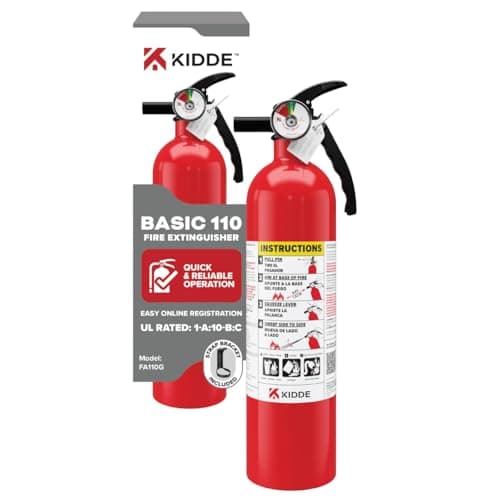 Kidde Basic 110 Fire Extinguisher, 1-A:10-B:C The one every home needs | The one every home needs | 9.29.2 out of 10 on our Day-one useful, Value, Durability, Fits a small place scoring | $19.97View on Amazon $24.97 · 20% off |
| 3 | 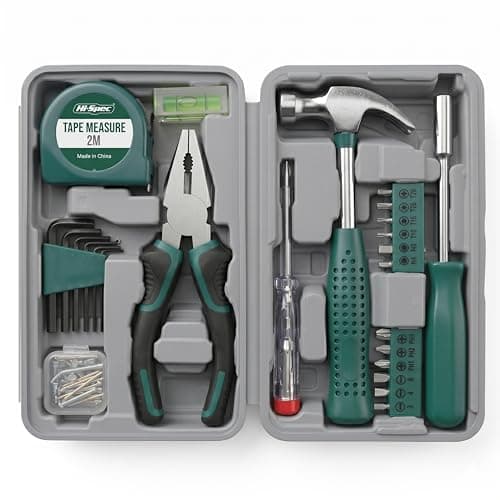 Hi-Spec Compact Small Tool Kit A drawer, not a closet | A drawer, not a closet | 8.88.8 out of 10 on our Day-one useful, Value, Durability, Fits a small place scoring | |
| 4 | 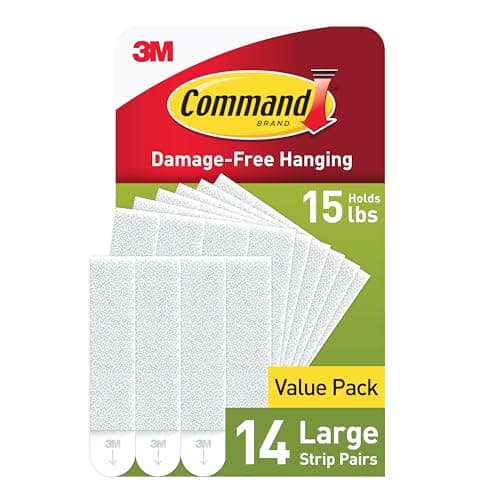 Command Large Picture Hanging Strips, 15 lb Hanging a frame with no hole | Hanging a frame with no hole | 9.09.0 out of 10 on our Day-one useful, Value, Durability, Fits a small place scoring |
#ad — Amazon links on this page are affiliate links. How this site is funded.
Most first-week advice is about unpacking. The genuinely valuable things to do in the first few days are documentation, safety checks and finding the shut-off valve — all of which are free, take about an hour in total, and are nearly impossible to do later.
Day one, before you unpack anything
This is the most important hour of the week. Do it before a single box comes in.
- Photograph every room, empty. Walls, floors, ceilings, inside every cupboard, inside the oven and fridge. Your phone timestamps them automatically.
- Close-up photograph every existing mark. Every scuff, chip, stain, crack, water mark and worn patch. Over-document; you cannot do this retrospectively.
- Video walk-through, narrating. Two minutes, and it captures things stills miss.
- Email the landlord a dated list of everything wrong, with photos attached, within the first few days. “Noting the following pre-existing condition issues at move-in.” That email is your deposit protection.
- Note the meter readings for electricity, gas and water, and photograph them.
If there is an official move-in inspection form, fill it in thoroughly and keep a copy. If there is not, your email is the equivalent.
Day one: the safety checks
- Test every smoke alarm with its test button, and check the manufacture date on the back. Replace batteries regardless of what you were told; replace the whole unit if it is over ten years old, and report that in writing.
- Check for a carbon monoxide alarm if there is a gas stove, gas or oil heating, a fireplace or an attached garage. Many states require one. If there is not one, buy one (~$25) and tell the landlord.
- Find the water shut-off valve. Usually under the kitchen sink, near the water heater, or in a utility cupboard. Photograph it. A burst supply line floods a floor in minutes.
- Find the breaker panel, and ideally map it: plug a lamp into each outlet and flip breakers one at a time. Ten minutes once, and it tells you which appliances can safely share a circuit.
- Test the bathroom extractor fan — hold a square of toilet paper to the grille; it should stick. A dead fan is a landlord repair and matters for mold.
- Check every window and exterior door lock. Report anything that does not secure properly, immediately and in writing.
- Put paper under the sink traps and check it in a week. Damp means report it now.
Days two and three: make it liveable
Order matters here. Do these before anything decorative.
- Assemble the bed and make it properly. One good night’s sleep makes the rest of the week manageable.
- Set up the bathroom fully. Curtain, mat, towels on a hook, toilet paper where you can reach it, plunger under the sink.
- Make the kitchen functional, not organized. You need a pan, a knife, a board, a plate and somewhere to drain. Organizing cupboards properly can wait a month, and you will do it better once you know how you cook in this kitchen.
- Hang curtains or blinds. Urgent if the bedroom windows are bare. Tension rods need no drilling.
- Clean before you fill. Wipe out every cupboard, the fridge and the oven while they are still empty. Far easier now than in a fortnight.
- Set up internet. Book the installation before you move if you can; waiting two weeks for a connection is a common and avoidable annoyance.
The rest of the week: admin
- Change your address — bank, employer, driving license, voter registration, insurance, subscriptions, and a mail forwarding order.
- Set up renters insurance if you have not. $12 to $25 a month, often required by the lease, and it covers your belongings against theft, fire and water damage.
- Confirm every utility account is in your name from the right date, with your move-in meter readings.
- Save the emergency maintenance number in your phone before you need it at 2am.
- Introduce yourself to a neighbor. Genuinely useful — they know which bin day it is, where the shut-off is, and whether the hot water always does that.
- Find the practical geography: nearest grocery store, pharmacy, laundromat, and where the bins go and when.
- Work out where to put the recycling. Many buildings have specific requirements — ask before buying a dual-compartment bin.
The first grocery shop is unusually large
Budget $150 to $250, because you are buying every staple at once rather than topping up. The things people forget:
- Cooking oil, salt, pepper
- Five or six spices you actually use — not a 20-jar rack
- Flour, sugar, stock cubes, pasta, rice
- Foil, parchment, cling film, zip bags
- Bin bags in the right size for your bin
- Dish soap, sponges, all-purpose spray, bleach
- Laundry detergent
- Toilet paper and paper towels, in quantity
- Light bulbs and batteries — AA, AAA and 9V
What can wait, and should
Resist doing these in week one. They are better decisions in month two, and some of them you will not want at all.
- Decoration and art. Live with bare walls for a few weeks; you will hang them better.
- A rug. Wait until you have seen the floor and how the room is used.
- Organizing cupboards properly. Do it once you know how you cook here.
- Buying the sofa. Measure the route, and look at used first.
- Any second small appliance.
- Painting, which in a rental needs written permission anyway.
The short version
- Photograph every room and every existing mark BEFORE you unpack. Email the landlord a dated list.
- Find the water shut-off and map the breaker panel in the first hour. Free, and invaluable later.
- Test the smoke alarms and the extractor fan on day one. Report faults in writing, with dates.
- Bed, bathroom, then a functional kitchen. Decoration, rugs and cupboard organizing can all wait.
The picks in detail
#ad we may earn a commission · price as of October 6, 2026
#1 · Both tools, one footprint
MR.SIGA Toilet Plunger and Bowl Brush Combo
A proper flange plunger and a bowl brush in a ventilated caddy. Buy it before you need it — this is the one item on any checklist that is genuinely urgent at 11pm.
- Day-one useful
- 8.6
- Value
- 8.8
- Durability
- 8.2
- Fits a small place
- 10.0
What we like
- Flange design seals a toilet outlet properly — most cheap plungers do not
- Ventilated caddy means it dries instead of sitting in a puddle
- Brush head reaches under the rim
What to know
- Caddy is bulkier than the slim hidden designs
- White tray shows stains
- Brush bristles splay after a year
Specifications
- Flange plunger (the kind that seals a toilet, not a sink)
- Bowl brush with an under-rim head
- Ventilated drip tray so both dry
- Compact combined caddy
Who it is for
Every single apartment, dorm and house. Put it on the day-one list.
#2 · The one every home needs
Kidde Basic 110 Fire Extinguisher, 1-A:10-B:C
A 1-A:10-B:C rating covers wood and paper, flammable liquids and electrical fires — the three things that actually happen in a home. Twenty dollars, mounted near the kitchen.
- Day-one useful
- 9.6
- Value
- 9.4
- Durability
- 8.8
- Fits a small place
- 9.0
What we like
- The rating covers every common household fire class
- Pressure gauge lets you confirm it is still charged at a glance
- Bracket included so it gets mounted rather than put in a cupboard
What to know
- Single-use in practice — a partial discharge means it needs servicing or replacing
- Needs mounting where you can reach it without crossing the fire
- Check the gauge annually; people never do
Specifications
- 1-A:10-B:C rating — ordinary combustibles, liquids and electrical
- UL listed with a pressure gauge
- Mounting bracket included
- Rechargeable aluminum cylinder
Who it is for
Every home, apartment and dorm that allows them. Mount it on the exit side of the kitchen, not behind the stove.
#ad we may earn a commission · price as of October 6, 2026
#3 · A drawer, not a closet
Hi-Spec Compact Small Tool Kit
A genuinely small kit that lives in a kitchen drawer. It handles flat-pack furniture, a picture hook and a battery change, which in an apartment is most of what happens.
- Day-one useful
- 9.4
- Value
- 9.6
- Durability
- 6.6
- Fits a small place
- 9.8
What we like
- Small enough that you keep it accessible instead of in storage
- Covers the apartment jobs
- Cheapest here
What to know
- Tools are small-scale — the hammer is light for real work
- No adjustable wrench
- Case is not rigid
Specifications
- Compact zip or clip case
- Screwdrivers, pliers, small hammer, tape, hex keys
- Fits a drawer
- Under 20 pieces
Who it is for
An apartment with no storage and no plans to hang heavy shelving.
#ad we may earn a commission · price as of October 6, 2026
#4 · Hanging a frame with no hole
Command Large Picture Hanging Strips, 15 lb
Fourteen pairs rated to 15 pounds each, and they come off the wall cleanly if you pull the tab straight down. This is how you decorate a rental you want the deposit back on.
- Day-one useful
- 9.8
- Value
- 8.6
- Durability
- 8.0
- Fits a small place
- 9.8
What we like
- No holes, no patching, no deposit argument
- Interlocking design keeps frames level, unlike adhesive hooks
- Removes cleanly when you follow the tab instruction
What to know
- Will not hold on textured, wallpapered or freshly painted walls — read the surface guidance
- Pulling the tab outward instead of down takes paint with it
- Not for mirrors or anything you would mind falling
Specifications
- 14 pairs, 15 lb rating per pair
- Interlocking strips hold the frame flat to the wall
- Removes by stretching the tab straight down
- For painted drywall and other smooth, sound surfaces
Who it is for
Every renter hanging frames. For anything heavy or breakable, use a stud and a screw.
Common questions
What should I do first when moving into a new apartment?
Photograph every room and every existing mark before a single box comes in, then email the landlord a dated list of pre-existing issues with the photos attached. That hour of documentation settles nearly every deposit dispute before it starts.
How do I protect my security deposit?
Timestamped photographs of every room and every existing mark at move-in, a video walk-through, a dated email to the landlord listing the issues, meter readings, and the same photographs again when you leave. Keep every reply you receive.
What safety checks should I do in a new apartment?
Test every smoke alarm and check its manufacture date, confirm there is a CO alarm if there is any fuel-burning appliance, locate the water shut-off and breaker panel, test the bathroom extractor fan with a square of toilet paper, and check every window and door lock.
What should I unpack first?
The bed, then the bathroom, then enough kitchen to cook one meal. Organizing cupboards properly, hanging art and buying a rug should all wait — you will make better decisions once you know how you use the space.
How much is the first grocery shop in a new apartment?
$150 to $250, because you are buying oil, salt, spices, flour, foil, cleaning products, detergent, bulbs and batteries all at once rather than topping up. Budget for it separately from furnishing.