
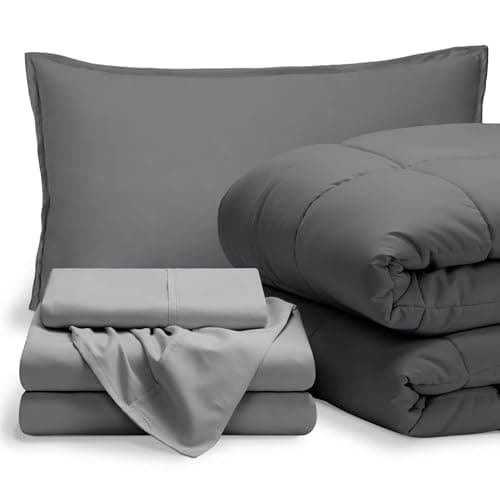
Best Twin XL Bedding
The best Twin XL dorm bedding
Twin XL bed-in-a-bag sets ranked — plus the sizing mistake that trips up most first-year students.
Our pick: Bare Home Twin XL Bed-in-a-Bag, 5-Piece
Dorm Room
A dorm room is about 12 by 19 feet and you share it. Here is what earns its space, and what to leave at home.
A standard double dorm room is roughly 12 by 19 feet and already contains two beds, two desks, two chairs and two wardrobes. There is very little floor left, and you are sharing all of it.
So the question for every potential purchase is not “might I need this” but “does this earn its square footage”. That is why nearly everything we recommend here clamps to something, rolls under something, or collapses flat.
Dorm mattresses are Twin XL: 39 inches wide by 80 inches long. That is five inches longer than a standard Twin. Regular Twin sheets will go on the bed, will not reach the bottom corners, and will pop off during the night.
Nearly every US campus uses Twin XL, but it takes two minutes to confirm on your school’s housing page, and it is worth doing because it affects the bedding, the topper and the mattress protector — three separate purchases.
The related trap: if you add a mattress topper, which most students should, you may need deep-pocket sheets rated to 14 inches. A 2-inch topper usually still works under standard sheets; a 3-inch one does not. That is a large part of why we recommend 2 inches — detail in what size mattress topper for a dorm bed.
| Item | Why share | Roughly |
|---|---|---|
| Mini fridge | One 3.2 cu ft split two ways costs less each than two 1.7s — and you both get a real freezer | $150 split |
| Microwave, if permitted | One is enough for a room | $70 split |
| A rug | One good rug beats two small ones, and dorm floors are cold and hard | $50 split |
| Cleaning supplies | You share the room; share the spray | $20 split |
Agree in July who buys what, and agree what happens in May. Selling shared items to next year’s intake is completely normal and takes about a day on a campus group.
A communal bathroom changes four purchases, and it is worth getting them right because you will walk down that corridor twice a day for a year.
Beyond what is actually prohibited, these simply waste space in 80 square feet:
Roughly $250 to $320 at the budget tier sharing a fridge, $420 to $520 mid, and $650 to $800 buying everything new without sharing. The two decisions that move the total most are whether you share a fridge and whether you buy a topper — everything else on the list is under $30.
Line-by-line totals are in the complete dorm essentials list.
17 guides. The roundups show our top pick and what it costs right now, so you can buy from here without reading further — or open the page for the alternatives and the reasoning.
Best Twin XL Bedding
Twin XL bed-in-a-bag sets ranked — plus the sizing mistake that trips up most first-year students.
Our pick: Bare Home Twin XL Bed-in-a-Bag, 5-Piece
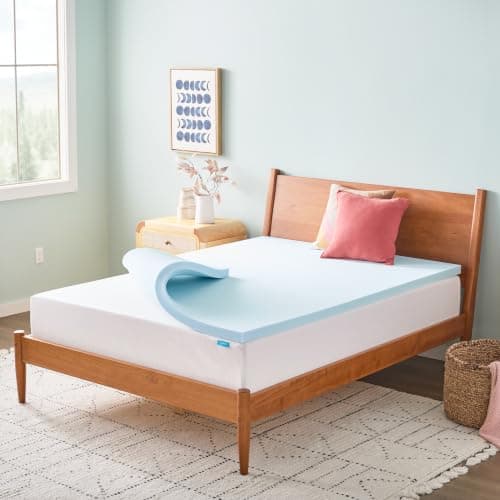
Best Mattress Toppers
Why 2 inches is the right thickness, the off-gassing to plan for, and the one washable option.
Our pick: Linenspa 2-Inch Gel Memory Foam Topper, Twin XL
#ad we may earn a commission · price as of October 6, 2026
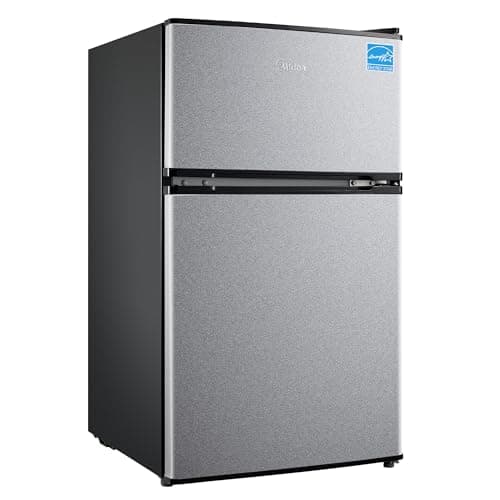
Best Mini Fridges
Dorm fridges compared on capacity, freezer quality and running cost — with the housing rules to check first.
Our pick: Midea 3.1 cu ft Mini Fridge with Freezer, Energy Star
#ad we may earn a commission · price as of October 6, 2026
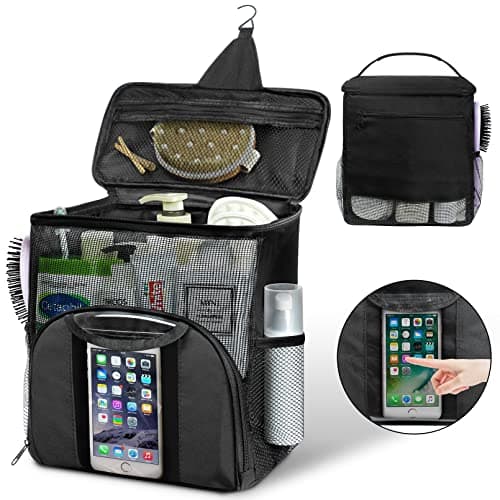
Best Shower Caddies
Why full mesh beats plastic, what belongs in it, and the shower shoes to buy at the same time.
Our pick: Attmu Mesh Shower Caddy Tote
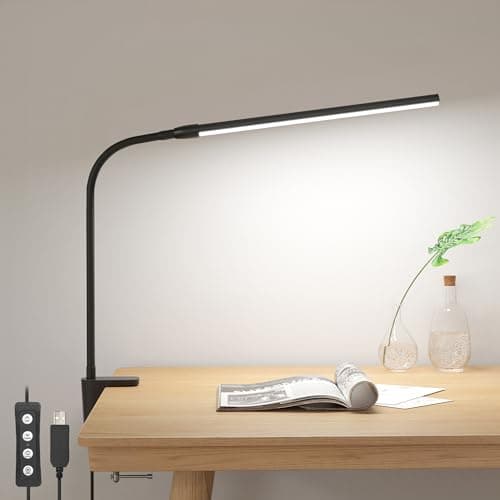
Best Desk Lamps
Clamp versus freestanding, how many lumens you need, and why a warm mode matters with a roommate.
Our pick: Lepro Clip-On LED Desk Lamp, 460 lm
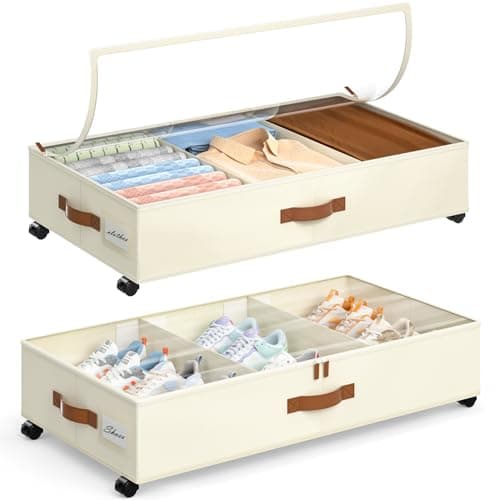
Best Under-Bed Storage
Wheeled bins compared by height and capacity — with the one measurement to take before ordering.
Our pick: Yecaye Under-Bed Storage with Wheels, 2-Pack
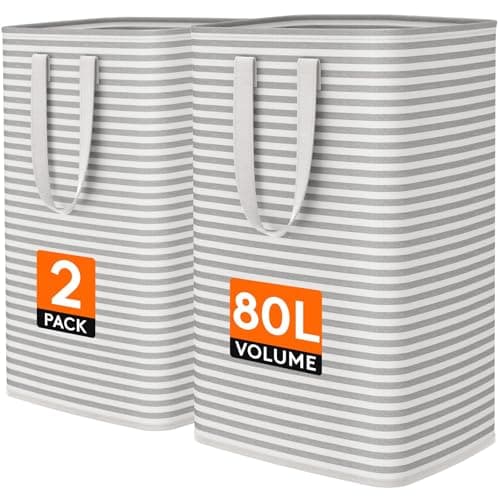
Best Laundry Hampers
Why two hampers beats one, which carry to a laundry room, and the mesh bag that fixes single socks.
Our pick: Lifewit 80 L Laundry Hamper Bags, 2-Pack
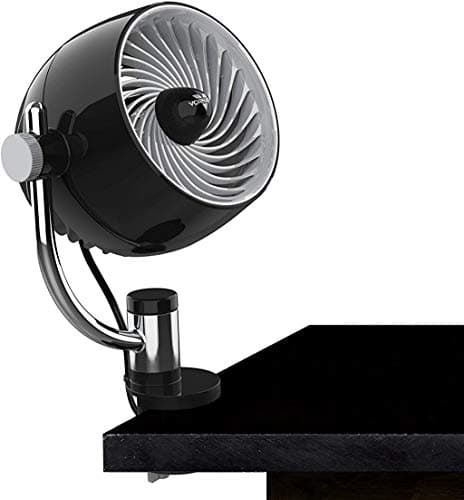
Best Dorm Fans
Circulators versus personal fans, what is quiet enough to sleep through, and clip versus floor.
Our pick: Vornado Pivot3 Clip Personal Air Circulator
#ad we may earn a commission · price as of October 6, 2026
Comparison
Cushioning against washability — plus the off-gassing and move-out differences nobody mentions.
Comparison
Chiller shelf versus true freezer, how it interacts with housing size caps, and running costs.
Review
The dorm topper we recommend: why 2 inches, the off-gassing timeline, and how it moves out.
Review
An Energy Star dorm fridge with a real freezer, reviewed — including the size cap to check first.
Checklist
A print-friendly dorm checklist grouped by category, with a pick and a live price on every line.
Guide
Twin XL dimensions, the right thickness, and the deep-pocket sheet problem thicker toppers cause.
Guide
Why dorm mattresses are uncomfortable by design, who genuinely does not need a topper, and what to buy.
Guide
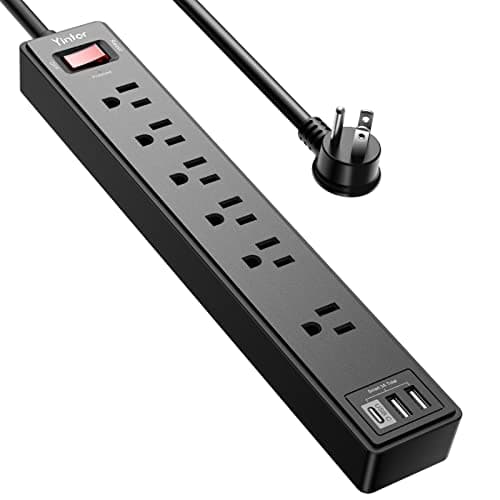
Fifteen items that justify their footprint in 80 square feet, ranked by the difference they make.
Guide
The commonly banned appliances, the space-wasters, and what to buy after you arrive instead.
If you are setting up an entire apartment, dorm or house rather than shopping for one room, start with the complete checklist — every line has a pick, a live price and a running total.
Twin XL — 39 by 80 inches, five inches longer than a standard Twin. Regular Twin sheets will not reach the bottom corners. Nearly every US campus uses Twin XL; confirm on your school’s housing page.
Twin XL bedding plus a spare sheet set, a 2-inch mattress topper and protector, a clamp desk lamp, a surge-protected power strip, a mesh shower caddy, towels and shower shoes, wheeled under-bed storage, two laundry hampers, a clip fan, and a shared mini fridge.
Commonly: candles, space heaters, halogen and lava lamps, hot plates, toaster ovens, air fryers, toasters, plain extension cords without surge protection, window air conditioners, oversized fridges, and nails or tape on walls. Your housing contract is the authority.
A mini fridge, a microwave if allowed, a rug and cleaning supplies. One 3.2 cubic foot fridge split two ways costs less each than two 1.7s and gives you both a real freezer. Agree it in July.
Point a fan out of an open window to exhaust hot air rather than into the room — that draws cooler air in and actually changes the temperature. Two fans, one in and one out, creates real cross-flow. Close blinds during the day on a sunny side.
Roughly $250 to $320 at the budget tier sharing a fridge, $420 to $520 mid, and $650 to $800 buying everything new. The fridge and the mattress topper are the two decisions that move the total most.